







The controversy surrounding the UP CMC Foundation has largely revolved around a single question: what happened to funds that stakeholders say once stood at approximately PHP4 million but have reportedly declined to around PHP400,000?
Increasingly, however, attention is shifting from the money itself to the people who were responsible for managing it.
As faculty members, alumni, and former stakeholders continue to seek answers, calls are growing for a closer examination of the foundation’s leadership structure and the individuals who occupied key positions during the period in question.
At the heart of the discussion is the Board of Trustees, the governing body tasked with overseeing the foundation’s affairs, safeguarding its assets, ensuring compliance with legal requirements, and approving major decisions involving finances and operations.
For critics, any meaningful accounting of the foundation’s finances must necessarily include an examination of who held positions of responsibility when key decisions were made.
Who served as president, treasurer, corporate secretary, and trustee during the years when the foundation’s funds were reportedly depleted? Who approved expenditures? Who reviewed financial statements? Who was responsible for ensuring that records, reports, and regulatory requirements were kept current?
Those questions have become increasingly prominent as stakeholders push for greater transparency.
Broadcast Communication professor Cecile Ilagan, one of the most vocal critics of the foundation’s leadership, has repeatedly framed the controversy as a matter of fiduciary responsibility. In public statements, she has argued that trustees and officers have an obligation to account for resources entrusted to the organization and explain how those resources were managed.
The issue has also brought renewed attention to the foundation’s current leadership.
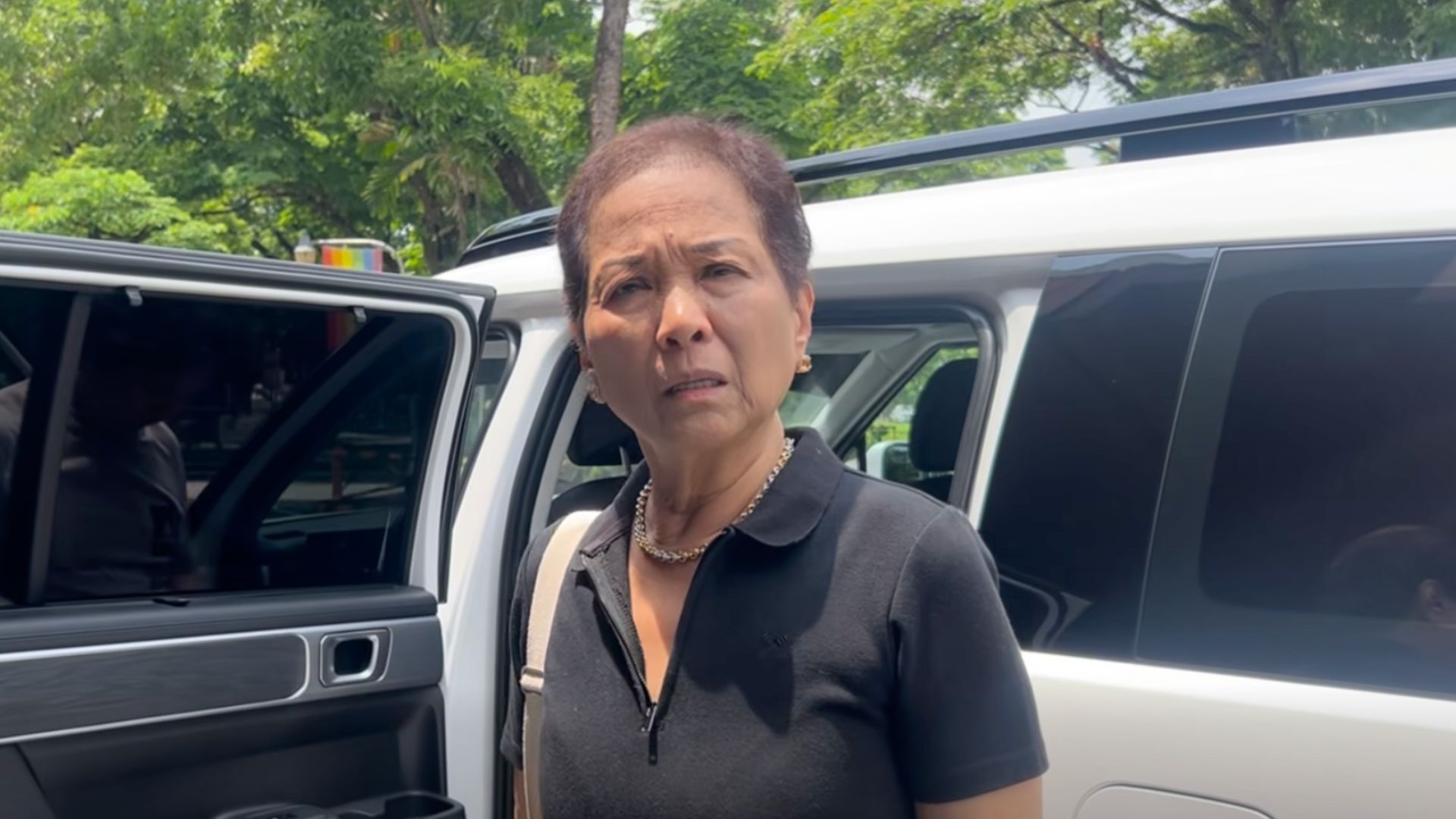
Acting president Malou Fagar has defended the organization’s actions and rejected suggestions that the foundation is evading accountability. Board secretary Ritzi Ronquillo has likewise found herself drawn into the controversy as stakeholders seek answers regarding governance, documentation, and organizational records.
Supporters of the foundation’s leadership caution against prematurely assigning blame. They note that decisions involving nonprofit organizations are typically collective in nature and argue that conclusions should be based on records, audits, and documentation rather than assumptions.
Critics agree that documentation is precisely what is needed.
Many are now calling for the release of financial records, board resolutions, annual reports, and other materials that could provide a clearer picture of how the foundation operated over the years. Some stakeholders have also urged the organization to disclose who served in leadership positions during key periods and what oversight mechanisms were in place.
The growing focus on trustees and officers reflects a broader shift in the controversy.
The debate is no longer solely about how much money remains in the foundation’s accounts. It is increasingly about governance itself. As questions surrounding finances, compliance, and accountability continue to unfold, stakeholders are looking beyond balance sheets and asking a more fundamental question:
Who was responsible for protecting the foundation’s resources, and did they fulfill that responsibility?